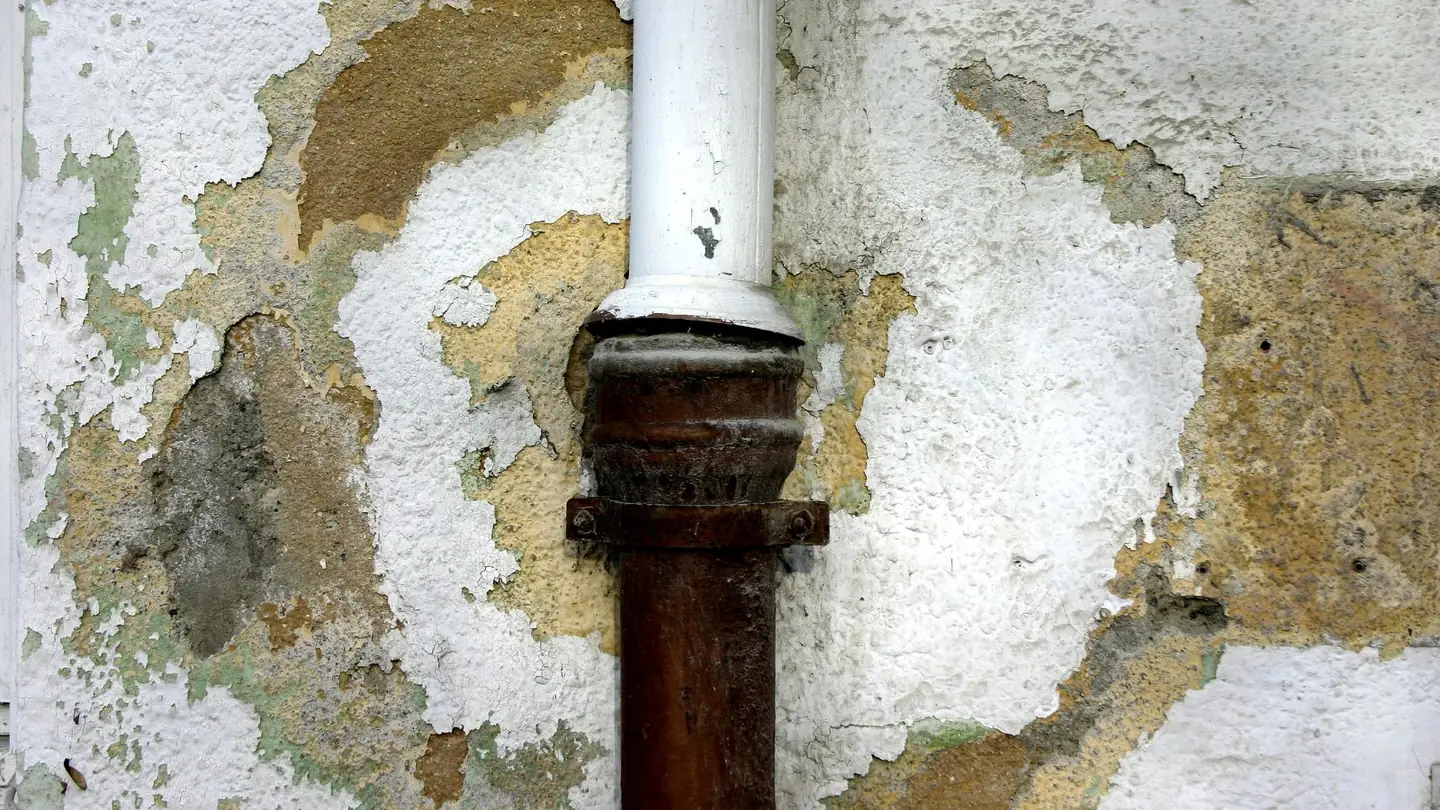
You notice a brown ring on the ceiling, or a baseboard that has begun to swell, or a wall that feels cold and soft when you press it. Something wet is behind the paint, and the board is only the surface you can see.
Wall and drywall water damage repair in The Colony, TX is the work of deciding which gypsum board, insulation and framing can be dried, which must be cut out, and how the opening is closed, patched and finished so the wall looks original. Drywall is paper-faced gypsum, which loses strength quickly when saturated.
Why a wall hides water so well
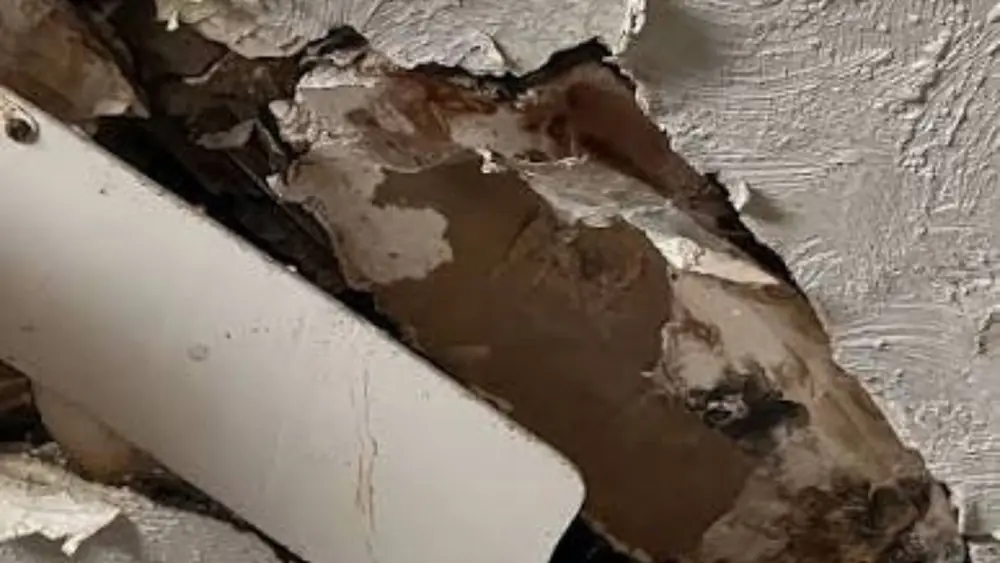
Water that enters a wall cavity runs down the inside face of the board and wicks sideways through the paper. By the time a stain appears, the wet area behind the paint is usually larger than the stain.
Insulation makes this worse. Batt insulation holds water against the board like a sponge and keeps it there for days, which is why a wall that looks fine after a surface wipe can still be wet inside.
The Texas Department of Insurance advises homeowners to tell your insurer about hidden damage soon after you first notice it, because policy deadlines differ. If you see a stain, call your insurer and a restoration company the same week rather than waiting to see whether it grows.
Talk to dispatch
Describe what you see and we will tell you what happens next, in plain words, before any work starts.
Signs the board is past saving
A moisture meter is the only honest way to know, but your eyes and hands give strong clues first. These are the common signals.
- Sagging or bowed ceiling board that holds water like a pouch.
- Soft, crumbly or spongy board when you press with a thumb.
- Bubbling, peeling or blistered paint and tape seams that have lifted.
- Dark or fuzzy growth on the paper face, or a musty odor near the wall.
- Swelling at the baseboard, trim or the bottom edge of the board.
- Water from a sewer line or from outside, regardless of how the board looks.
Dry it in place or cut it out
The decision turns on water category and time. Under ANSI/IICRC S500, a published reference any restoration company should know, clean water caught early lets many walls dry in place. Contaminated water, long exposure or a wet cavity with insulation usually means the board comes out.
| Situation | Usual decision | Why |
|---|---|---|
| Clean supply leak, caught within a day, board firm | Dry in place with air movers and a cavity drying setup | Board has not lost strength and the paper is intact |
| Clean water, wet insulation in the cavity | Pull insulation, often cut a small flood cut, dry framing | Insulation traps water against the board |
| Water on the ceiling from a roof or upstairs line | Cut out saturated board, check the attic or floor above | Sagging board is a safety issue and a mold risk |
| Sewage or outside water | Remove the affected board and insulation | Porous board cannot be reliably cleaned |
| Old stain, board dry but discolored | Find the leak first, then repair or replace | A dry stain may only be a past event |
Your own wall may need a different call. A moisture meter and thermal imaging camera confirm it before anything is cut.
Safety before you cut or poke
A sagging ceiling can drop without warning, so stay out from under it and do not push on it. Place a bucket under any drip and, if it is safe to do so, poke a small hole at the lowest point of a bulge to release the water into a container.
Electrical hazard in wet walls
Light fixtures, outlets and wiring in a wet wall or ceiling are a shock risk. Cut power to that area only if the breaker panel is dry and reachable, and call the utility or 911 about sparking or a gas smell before you call the restoration line.
If the water came from a drain or sewer, keep children and pets away from the wall and do not scrape or sand it.
How we handle a wet wall
The crew maps the damage with a moisture meter and a thermal imaging camera, which flags cooler wet patches behind paint before anything is cut. Everything that is cut is cut above the visible wet line, so the new board has clean, dry edges.
- Remove the baseboard and trim so the bottom of the wall can breathe.
- Cut out wet board in straight lines, typically a small distance above the highest wet reading.
- Pull wet insulation from the cavity and bag it.
- Set air movers and, where needed, cavity drying equipment with a dehumidifier running to pull moisture from the framing.
- Apply an antimicrobial treatment to exposed framing.
- Verify that readings return to the dry standard for that material before any new board goes in.
Closing the wall: patching, taping, texture and paint
New board goes in only after the framing is dry. It is then taped, mudded and sanded, and the surface texture is matched so the patch disappears in daylight.
Texture is the hard part on a visible wall. Orange peel, knockdown and skip trowel all need different tools, and a mismatch shows from across the room. Ceilings usually get a full coat of primer and paint so the patch does not flash.
The wider rebuild sequence, including flooring and cabinets, is covered on our water damage repair page.
Why paint over a stain is not a repair
Stain-blocking paint hides the color of the stain. It does nothing about wet insulation, wet framing or a leak that is still running.
If the cavity is still wet, the stain returns through the paint, and moisture trapped behind it gives mold what it needs. If you see growth, our mold remediation page explains when a state-licensed remediator is required. For deeper background on how cavities are dried, see our page on structural drying and dehumidification.
Permits, insurance and your landlord
Permits come through the city's Building Inspections and Permits department, which covers plumbing, electrical and mechanical work as well as changes to existing buildings. Its page does not address water damage repair specifically, so call the department at 972-624-3100 and ask whether your repair needs one. Opening a wall to fix a leaking pipe usually means a plumber is involved.
The Texas Department of Insurance says to photograph damage before repairs, keep damaged materials for the adjuster and make only temporary repairs with receipts until the insurer has inspected. Do not put new board up until the adjuster has seen the wall. Sudden and accidental losses are the kind policies usually address, while gradual leaks are often excluded, so check your policy.
About four in ten households in The Colony rent, according to Census QuickFacts. If that is you, report the stain to your landlord in writing before you do anything to the wall.
What changes the cost
| Factor | Why it matters |
|---|---|
| Amount of board removed | More wet board means more cutting, hauling and replacement |
| Wall or ceiling | Ceilings are harder to patch and finish than walls |
| Insulation and cavity condition | Wet insulation adds removal and drying time |
| Drying days and equipment | Heavier moisture needs more equipment for longer |
| Texture and paint matching | Custom textures and full-room painting add finishing work |
Call us for your real number once we know the wall. We explain the scope and price before any work starts.
Mistakes that make walls worse
- Painting over the stain before the cavity has been checked.
- Cutting a big hole without turning off the water source first.
- Leaving wet insulation in place because the board looks dry.
- Sealing the wall back up before the framing is dry.
- Ignoring a small stain because the leak seems to have stopped.
Serving the area around The Colony
Wall and ceiling damage follows the same logic wherever the water started. We take calls from Frisco and Plano, as well as The Colony.
If you have a wall that is soft, stained or sagging, ring dispatch with a description of the wall. We can sort out what is likely to dry in place and what will need a cut.
Frequently asked questions
Can water damaged drywall be saved?
Sometimes. Clean water caught within roughly a day, in board that is still firm, can often be dried in place. Board that is soft, sagging, moldy or wet from a sewer or outside source is normally removed. A moisture meter reading decides it.
Why is my ceiling sagging?
Water has collected above the board and is weighing it down. Stay out from under it and put a bucket below. Do not push on it, because it can fall. Call for help, since a sagging ceiling is both a safety issue and a sign of a leak above.
Why did the stain come back after I painted?
The cavity or the board is still wet, or the leak is still active. Paint covers color but does not dry the wall. The source must be fixed and the wall brought to the dry standard before paint will hold.
Does the whole wall have to come out?
Usually not. Wet board is cut out above the highest wet reading, and the rest stays. A full sheet may come out for convenience because it patches more cleanly, but a limited cut is common when the damage is local.
What about the insulation inside the wall?
Wet insulation holds water against the board and framing, so it is generally pulled and replaced. Dry insulation next to a wet area is checked and may stay.
Will insurance cover wall repair?
It depends on the cause. Sudden and accidental events like a failed pipe are often covered by home and renters policies, while gradual leaks and flood are commonly excluded. Photograph the damage, keep receipts and ask your insurer before making permanent repairs.