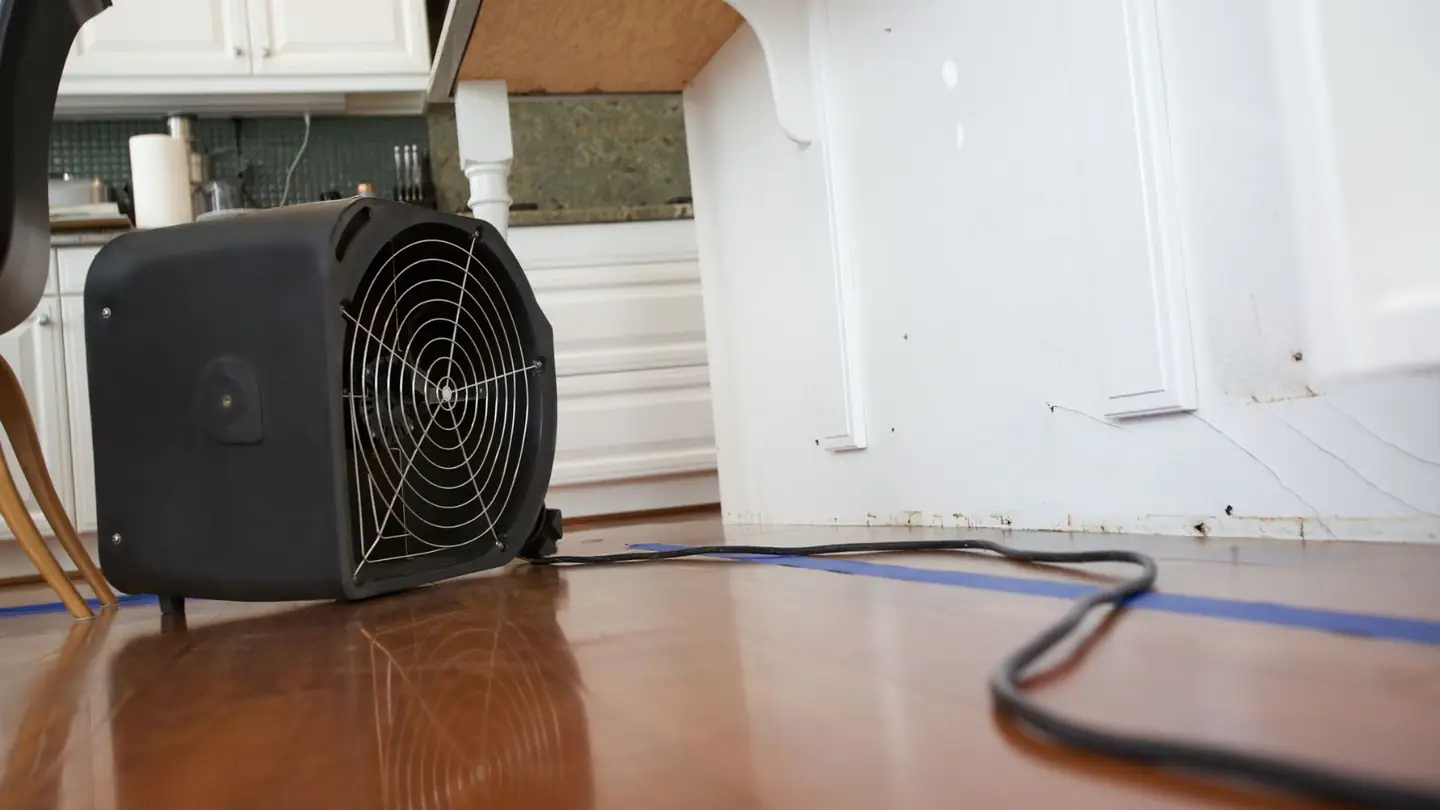
You open the cabinet under the sink and the particleboard floor feels like wet cardboard. Or the vinyl plank near the dishwasher has lifted at one seam. Kitchen water damage restoration in The Colony, TX is the work of finding every wet surface in the room, drying what can be dried and replacing what cannot, so the cabinets, subfloor and flooring end up sound again.
A kitchen is different from a bathroom or a hallway because so many materials meet in a small space. That is why one small leak can cost more than it looks like at first glance.
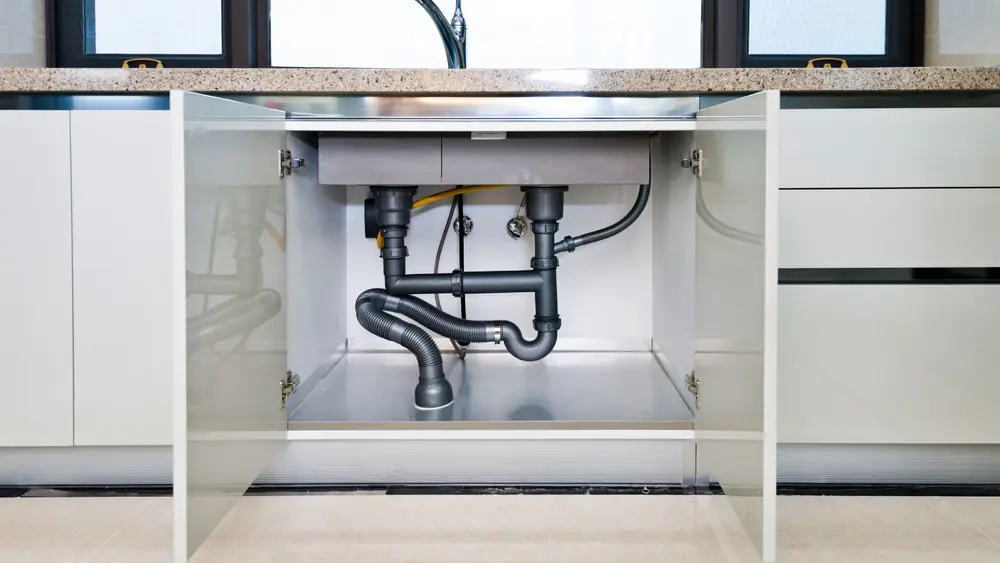
Where kitchen water comes from
Most kitchen losses start with a fitting that was fine for years and then was not. The usual suspects are short and easy to name:
- Braided supply lines under the sink, which can split at the crimp or the nut.
- The dishwasher inlet, drain hose and door gasket.
- The refrigerator water line that feeds the ice maker and dispenser.
- The P-trap and drain arm under a sink or disposal.
- Caulk gaps and seams around a countertop or backsplash.
Talk to dispatch
Describe what you see and we will tell you what happens next, in plain words, before any work starts.
The cause matters for your claim and for who repairs it, but the room does not care. Water follows gravity into the toe kick, under the cabinet boxes and along the subfloor. For a closer look at the appliance side of these leaks, see our page on appliance leak water damage.
Signs the damage is bigger than the puddle
A small wet spot on the floor often means a larger wet area underneath. Water runs along the subfloor until it finds a low spot, a seam or a plumbing penetration, and then it spreads.
Watch for a swollen or dark cabinet floor, a toe kick that has softened or pulled away, and a faint sour smell when you open the doors. Tile that sounds hollow, grout that darkens, vinyl planks that peak at the edges and hardwood that cups are all signs that moisture is moving under the surface.
If the water bill climbed and nobody explains it, the leak may have been running for a while. A damp cabinet back wall is a strong clue.
What water does to each kitchen material
Kitchens mix sealed hard surfaces with porous layers underneath. The top layer can look fine while the layer below is soaked.
| Material | How water affects it | Usual outcome |
|---|---|---|
| Particleboard cabinet floor | Swells, crumbles and does not shrink back | Often replaced, since it absorbs water like a sponge |
| Plywood or solid wood cabinet box | Can dry in place if caught early, but may delaminate | Dried and checked, then judged by reading the moisture meter |
| Toe kick and base trim | Traps water against the subfloor | Removed so air can reach the cavity, then reinstalled or replaced |
| Tile over backer | Surface survives, the layers below stay wet | Dried through the grout or lifted if readings stay high |
| Vinyl plank or sheet vinyl | Traps water underneath and lifts at seams | Pulled to dry the subfloor, sometimes reusable if undamaged |
| Hardwood | Cups, then crowns as it dries | Dried with specialty mats where possible, replaced when boards are beyond saving |
Moisture readings, not appearance, decide each item. Your restorer should show you the numbers.
Why damage hides at the back of base cabinets
Base cabinets sit on the subfloor with a back panel against the wall. Water from a supply line or a drain runs down that back panel and pools where you cannot see it. The sink cabinet gets checked, but the cabinet next to it can be wet for days.
Insulation sometimes sits in the wall behind the dishwasher or on an exterior wall. Once that batt is wet, it holds water against the framing and the drywall behind it.
A good inspection includes pulling the toe kick and checking the back of the neighboring cabinets with a moisture meter. A thermal imaging camera can show a cool wet patch behind a wall without cutting into it.
What The Colony homes add to the picture
Weather and city rules both shape how a kitchen repair goes. Yearly precipitation here averages 37.01 inches by National Weather Service 1991 to 2020 data, and the humid months leave less room for slow drying. A kitchen that stays damp in summer can develop odor quickly, so do not leave a wet cabinet closed up.
The same normals show an average of 29 freezes per season. A sink on an exterior wall can have supply lines that sit in cold air, and a split line shows up at the thaw. Opening the cabinet doors on a freezing night lets room heat reach the pipes.
The city's Building Inspections and Permits department requires permits for alterations or repairs to plumbing systems. If your repair means moving or replacing supply or drain lines, ask the department what applies before the plumber starts.
Census QuickFacts show an owner-occupied rate of 59.8 percent, so about four in ten households rent. If you rent, tell your landlord or property manager in writing right away and keep the date. Your own renters policy, if you carry one, works separately from the building's coverage.
Kitchen water safety: the first hour
Kitchens have outlets close to sinks and several large appliances. Treat every wet surface as a possible shock risk until you know the circuit is off.
- Close the shut-off valve under the sink or behind the appliance. If none works, close the main water valve for the house.
- Mop up pooled water and lift small items off the counters and floor.
- Take photos of the leak source, the cabinets and the floor before moving anything.
- Empty the wet cabinet and set contents on a dry surface. Leave the doors open.
- Call the dispatch line and describe what you see.
Electrical safety around a wet kitchen
Do not stand in water and touch outlets, the dishwasher, the range or the refrigerator. If water is near the panel or the breaker box, call 911 or the electric utility before calling us.
Shut off the breaker for the wet area, and only if the panel sits on dry ground you can reach without walking through water. Unplug a refrigerator only from a dry position.
How we dry a kitchen
The crew starts with moisture meters on the cabinet floors, toe kicks and flooring, and a thermal imaging camera across the walls and floor. That map shows how far the water went and where to open up.
Standing water is removed with portable extraction units. Then the toe kick comes off, a few small holes may be drilled in cabinet backs to let air in, and air movers and a dehumidifier go to work. Wall and floor cavities get directed airflow, and readings are checked daily.
The crew keeps drying until each material's readings match its own dry standard. That standard comes from ANSI/IICRC S500, and a kitchen owner can fairly ask whether the company on site works to it. Details on the equipment side are on our structural drying page.
Contents that cannot be saved are removed and antimicrobial treatment goes on wet framing and the cabinet interior. If the water came from a dishwasher drain or a refrigerator line, the S500 category matters, and gray water changes what can stay.
Dry in place or tear out: the trade-offs
Tearing out costs more up front, but leaving a wet layer in place can cost more later. These are the questions we weigh with you.
| Choice | Best when | Risk if misjudged |
|---|---|---|
| Dry in place | Water was clean, caught quickly and the cabinets are solid wood or plywood | Hidden wetness keeps feeding odor if readings are not confirmed |
| Partial removal (toe kick, lower drywall, flooring) | Water reached the cavity but the cabinet boxes are sound | Cost of reinstalling trim, flooring and paint |
| Full cabinet removal | Particleboard is swollen or the leak ran for days | Higher rebuild scope, and a matching run of cabinets can be hard to find |
A countertop may need to be removed and reset if the cabinets under it come out. Ask what that adds to the scope.
What changes the cost of a kitchen job
No two kitchens price the same, and a number given without seeing the room is a guess. These factors do most of the work:
| Factor | Why it matters |
|---|---|
| Water category | Clean water leaves more material salvageable than gray water |
| Time since the leak | Longer wetness means deeper absorption and more removal |
| Cabinet and flooring materials | Particleboard, hardwood and tile behave very differently |
| Drying days and equipment | More air movers and more days raise the scope |
| Rebuild work | Cabinets, counters, flooring and paint are separate from drying |
Call the dispatch line and we will explain the scope and how the price is set before work starts.
Insurance and kitchen leaks
The Texas Department of Insurance lists a broken washing machine hose and a burst pipe as examples of sudden and accidental water damage that home and renters policies often cover. It also says slow leaks and seepage usually fall outside coverage, and so does any mold they cause.
That difference is why the cause of a kitchen leak matters. A line that split overnight is treated differently from a drip under the sink that went unnoticed for months. Check your policy and ask your insurer, because the wording varies.
A claim can be refused when the homeowner lets the damage grow after the leak is found. Closing the valve, drying the cabinet and keeping receipts for temporary repairs all help. The department also advises photographing damage before repairs and waiting for the insurer's inspection before permanent repairs. Our job is to document the scope, not to promise approval.
Mistakes to avoid
- Replacing the countertop or floor before the cabinet bases are dry.
- Running a fan across the surface and calling it done.
- Caulking over a wet seam, which traps moisture.
- Waiting to see whether the smell goes away.
- Throwing out wet cabinets before the insurer or landlord has seen them.
Where this fits with other services
Large kitchen losses usually move into rebuild once the structure is dry. Our water damage repair page covers that rebuild sequence.
Kitchen calls also come from nearby towns, including Lewisville and Carrollton, and the same drying steps apply there.
Frequently asked questions
Can kitchen cabinets be dried in place?
Often yes, when they are plywood or solid wood and the water was clean and caught early. Particleboard that has swollen usually has to be replaced. A moisture meter reading on the cabinet floor and back panel tells the real story.
Do you have to remove the toe kick?
Usually, because water collects behind it against the subfloor. Pulling it lets air reach the cavity and lets the crew measure what is wet. It can often be reinstalled after drying if it is not swollen.
Can tile in a kitchen be saved after a leak?
Tile itself is rarely harmed, but the backer board and subfloor below can stay wet. We check the grout lines and readings. If the layers below stay wet, a section may need to be lifted.
Is a dishwasher leak covered by insurance?
A sudden failure such as a split hose is often treated as sudden and accidental, while a slow seep over months is usually excluded. Policies differ, so read yours and ask your insurer before you decide.
I rent. Who handles a kitchen leak?
Tell your landlord or property manager in writing as soon as you find it and keep a copy. The lease and your renters policy decide who pays for what, and the landlord controls repairs to the building.
Can mold grow under a kitchen sink after a leak?
Mold needs moisture, and a damp cabinet floor gives it that. Fix the leak first, then dry the area fully. If you see widespread growth, call us and we will explain the next steps.