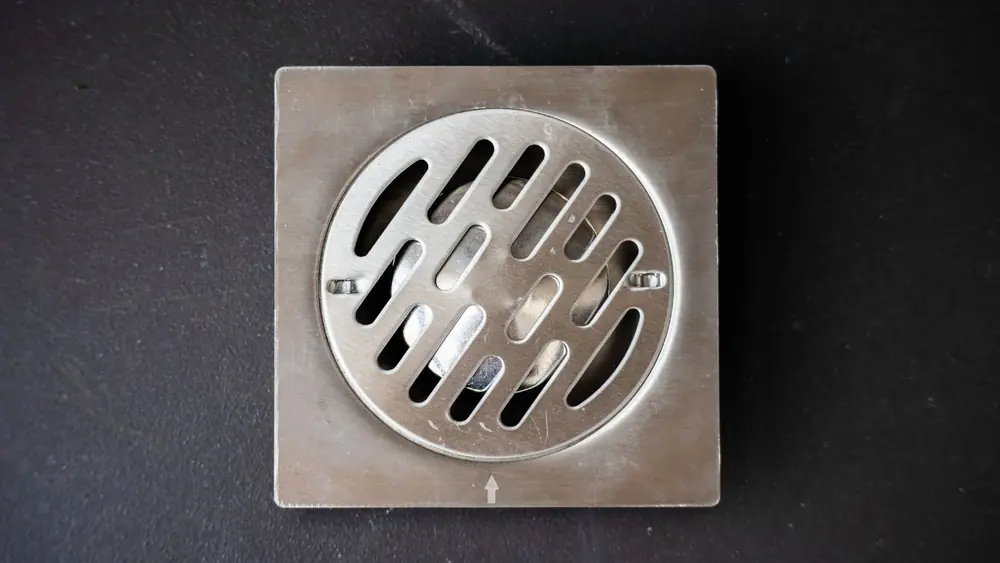
A toilet that gurgles and overflows, or a floor drain that fills with dark water, is a sewage emergency, and our dispatch line is open 24/7. Keep everyone out of the affected rooms, stop using every drain in the house, and leave the cleanup to trained crews. Same-day response when available is how we handle these calls.
Sewage backup cleanup in The Colony, TX is the removal of Category 3 wastewater from a home, followed by the disposal of contaminated porous materials, cleaning and disinfection of surfaces, and drying of what remains. It is a different job from clean water cleanup because the water itself carries contamination.
Sewage safety: the first hour
What you do before a crew arrives limits both the spread and your own exposure. Treat everything the water touched as contaminated, including shoes that crossed it.
- Stop using water in the house, including toilets, sinks and laundry.
- Close interior doors to the affected rooms and keep foot traffic out.
- Photograph the water line, the drain involved and anything damaged, from the doorway.
- Lift nothing porous out of the water yourself. Leave rugs, books and fabric for the crew to assess.
- Call the dispatch line and tell us which fixtures backed up.
Talk to dispatch
Describe what you see and we will tell you what happens next, in plain words, before any work starts.
Stay out and keep it contained
Keep children and pets out of the area. Do not walk through the water, do not wash anything down the drain, and do not run the washing machine, dishwasher or showers, because every gallon you add can push more wastewater up.
Never mix bleach with ammonia or other cleaners, since the fumes are dangerous. Treat any outlet, appliance or breaker panel that the water reached as live and leave it alone. Shut off the breaker only when the panel stands dry and you can get to it on a dry floor. A gas smell or sparking means getting outside and phoning 911 or the utility ahead of us.
Why a backup is Category 3 water
Industry practice, set out in ANSI/IICRC S500, sorts water into three categories. Category 1 starts clean, Category 2 carries some contamination, and Category 3 is grossly contaminated, which is where raw sewage sits. Any restoration company can be asked whether its crews follow S500.
The category matters because it decides what can be saved. Hard, sealed surfaces can usually be cleaned and disinfected. Porous materials such as carpet pad, drywall, insulation and unsealed wood that sewage soaked are normally removed rather than cleaned, because contamination travels deep into them.
City main or your own line: who gets the first call
A backup has two possible origins, and they have different owners. If the blockage sits in the city's main under the street, the city handles it. If it is in the private lateral that runs from your house to that main, repairing it is the homeowner's job, usually through a licensed plumber.
A quick clue: if every drain in the house is slow and a neighbor has the same trouble, the main is a suspect. Report a suspected main problem to the city first, then call us for the cleanup. Per the city's published contacts, the water and sewer emergency number is 972-625-2741 on business days and 972-624-4433 once the office has closed.
Do not wait for the cause to be settled before the water comes out. The line is a plumbing question and the soaked rooms are a restoration question, and they can run at the same time.
Older homes and aging lines
Not every backup comes from the street. Tree roots, grease, collapsed sections and years of wipes in older lateral lines are common causes inside private property. Plano's population surged in the 1970s and 1980s, which means many homes built then now have laterals that are decades old.
The practical point: a camera inspection from a plumber tells you whether the line is failing, and a repeat backup after cleanup usually means the line needs repair rather than another cleanup. See our Plano page for how we work in that area.
What the cleanup looks like
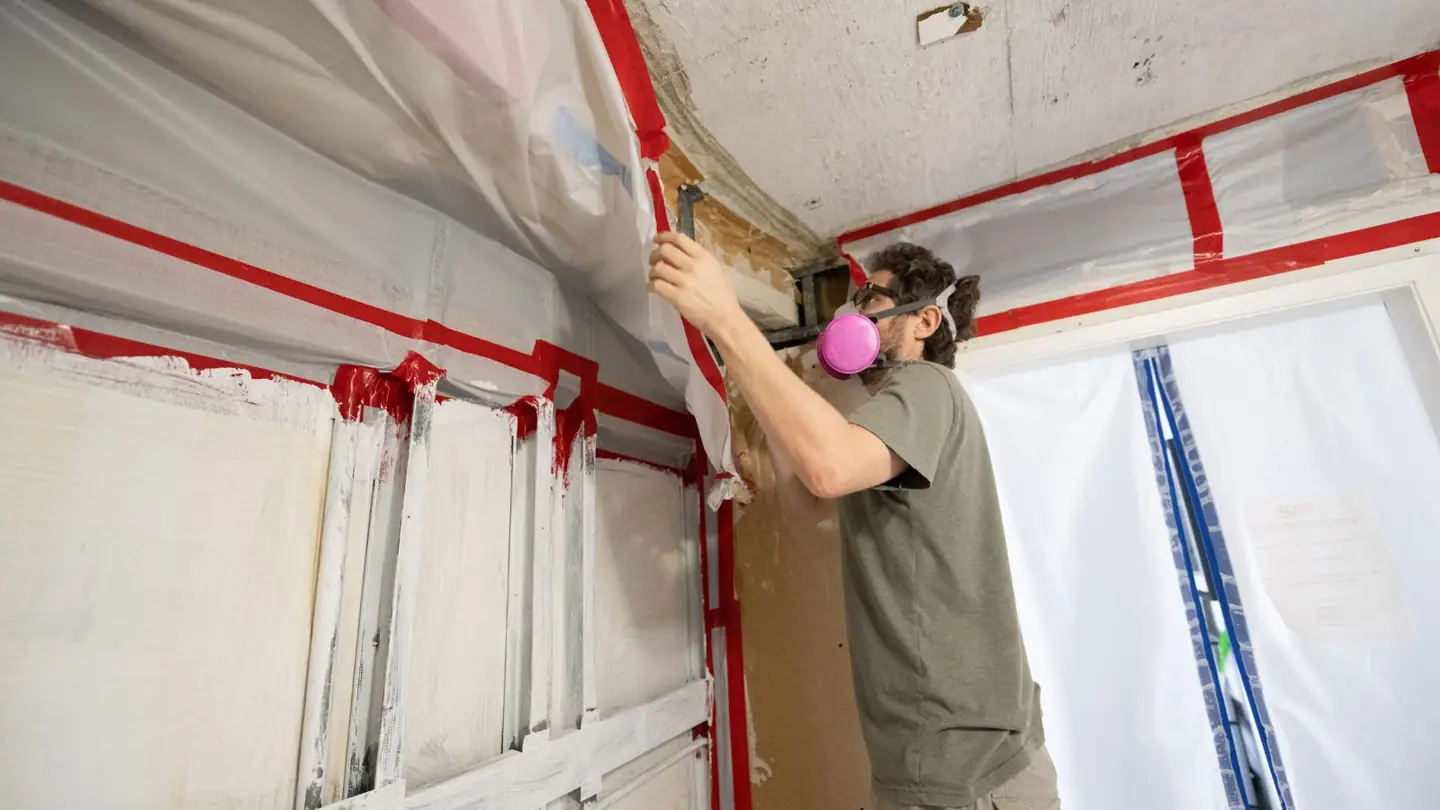
Crews arrive in protective gear and set up containment first, usually plastic barriers and a negative air machine with a HEPA filter, so airborne particles stay in the work zone. Submersible pumps and extraction units pull standing wastewater, and the affected area is then cleaned in stages.
Contaminated carpet, pad, baseboard and wet drywall come out in sealed bags. Hard surfaces get cleaned, then an antimicrobial treatment is applied. Moisture meters and a thermal imaging camera map what stayed wet, and air movers and dehumidifiers dry the structure, which our structural drying page explains in detail.
Before any of that starts, the scope is described to you, so you know which materials are coming out and why.
Saving or discarding: how the decision is made
| Material | Usual outcome after sewage | Reason |
|---|---|---|
| Carpet and pad | Removed and discarded | Fibers and foam absorb contamination and cannot be reliably disinfected |
| Drywall and insulation | Cut out above the wet line | Porous board and batts hold contaminants inside the cavity |
| Tile, sealed concrete, vinyl | Cleaned and disinfected | Nonporous surfaces release contamination to cleaning |
| Solid wood furniture, sealed | Often cleaned | Finish blocks absorption, though joints need checking |
| Upholstery, mattresses, books | Usually discarded | Porous and difficult to treat safely |
Final calls depend on how long the water sat and how deep it went. We will walk the rooms with you.
What changes the cost
Sewage jobs cost more per square foot than clean water jobs, mainly because of the protective equipment, the disposal and the extra labor. The factors below drive the number.
| Factor | Why it matters |
|---|---|
| Area and depth affected | More square footage and deeper water means more extraction and more material to remove |
| Porous materials involved | Carpet, pad and drywall that must be removed add labor and disposal |
| Containment needs | Sealing off rooms and running air scrubbers adds equipment time |
| Drying days | Equipment stays until the structure reaches its dry standard |
| Rebuild afterward | Replacing flooring, board and trim is separate from the cleanup |
Call the dispatch line and describe the situation, and we will give you the real number once the scope is clear.
Insurance: why backup coverage is its own question
The Texas Department of Insurance notes that standard home policies cover sudden and accidental water damage, but sewer and drain backup is often handled by a separate endorsement or excluded outright. A policy can respond to a burst pipe and still say nothing about water coming up a drain.
Read the water damage and backup language in your policy, or ask your insurer before you assume either way. Photograph everything before it goes in the bag, keep a list of discarded items, and save receipts. Nothing here promises coverage.
Permits and repairs afterward
Fixing the lateral or replacing plumbing is not restoration work. Plumbing repairs and alterations need a permit, according to Building Inspections and Permits at city hall, so check with them before a plumber digs up the yard or cuts the slab.
If water reached the lower walls and flooring, rebuild work follows the cleanup. Our flood damage restoration page covers rising outdoor water, which is a different category question, and our water damage cleanup page covers the debris side of clean water losses.
Mistakes that make it worse
- Running a household wet vacuum on sewage, which blows contaminated mist into the air and ruins the machine.
- Pouring bleach over carpet and leaving it, which does not fix the pad or the subfloor.
- Flushing or running laundry to see if the drain has cleared.
- Keeping soaked drywall because the surface looks dry.
- Waiting a day to call because the water drained back down.
Backups in Carrollton and nearby cities
Older neighborhoods around the region face more root and line problems, and each city has its own utility contacts. If your home is in Carrollton, the city's utility customer service and building inspection departments handle questions there, and our Carrollton page lists the area we serve.
Frequently asked questions
Will someone take an emergency sewage backup call at night or on a weekend in The Colony?
Sewage does not wait for business hours, so calls are taken overnight and on weekends too, with same-day response when available. Keep everyone out of the affected rooms, stop running water, and tell us which fixtures backed up so we can plan containment and extraction.
Is the backup the city's problem or mine?
If the blockage is in the city main under the street, the city handles it. If it is in the private line from your house to the main, it is the homeowner's responsibility. Call the city's water and sewer emergency line to report a possible main problem, then call us for the cleanup either way.
Can sewage-soaked carpet be saved?
Usually not. Carpet and pad absorb contamination that cleaning cannot reliably remove, so they are normally removed and discarded. Hard surfaces like tile and sealed concrete can be cleaned and disinfected, and the crew will go room by room with you.
What about the smell afterward?
The odor comes from contaminated material still in the structure. Removing porous materials, cleaning surfaces, applying antimicrobial treatment and running HEPA air scrubbers address the source. If a smell lingers, something wet or contaminated is probably still in a cavity or under flooring.
Is sewage backup covered by insurance?
It depends on your policy. Texas Department of Insurance guidance describes sudden and accidental water damage as often covered, but drain and sewer backup is frequently an endorsement or an exclusion. Read the policy or ask your insurer, and document the loss before cleanup.
When can we move back in?
Once contaminated materials are out, surfaces are cleaned and the structure is dry, most people return. Timing depends on how many rooms were involved and how long drying takes. Ask your doctor about any health concerns, since we do not give medical advice.