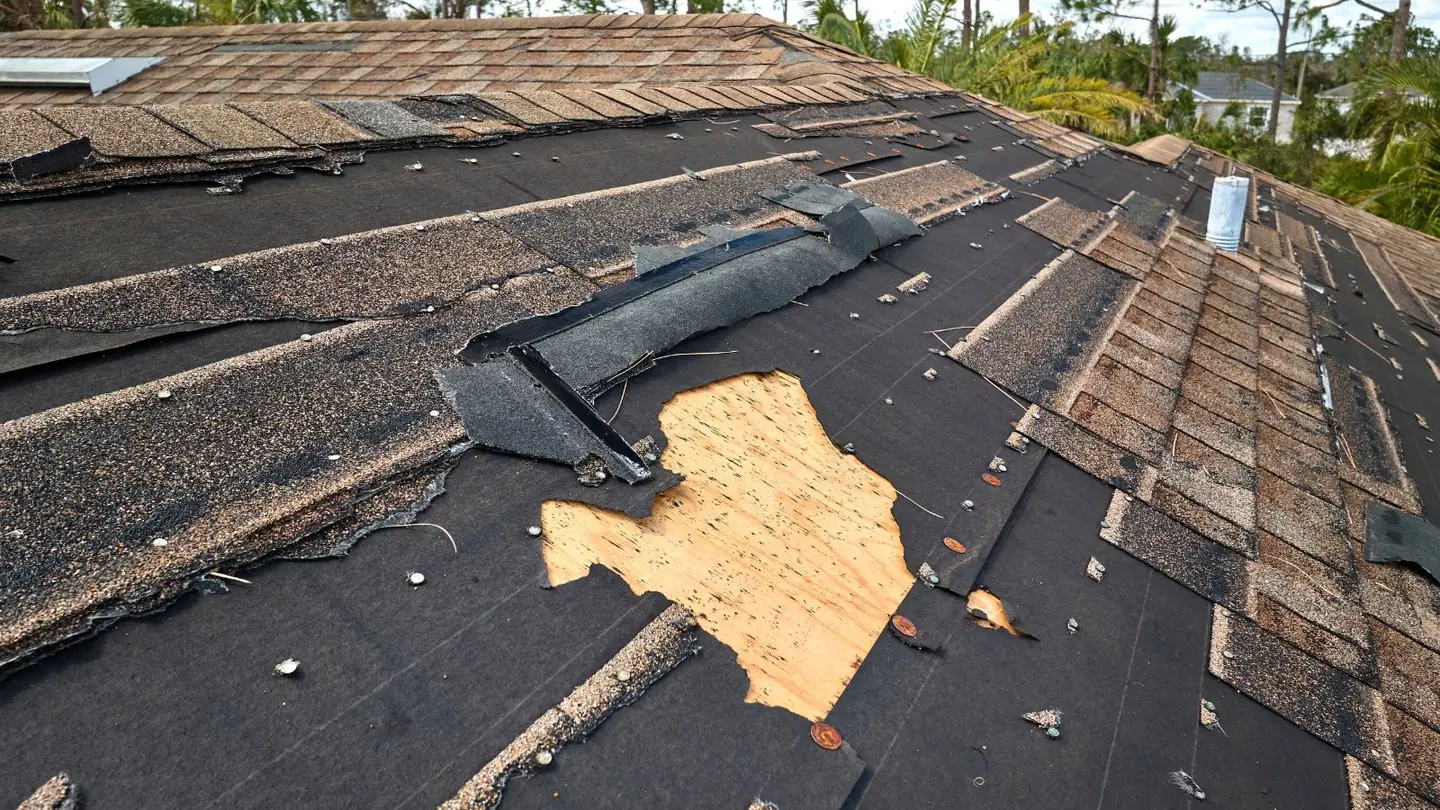
Storm water does not wait for morning, and the 24/7 dispatch line is built for that. If a thunderstorm pushed water under a door, through a window or into the garage, the first hours decide how much of the house stays wet.
Storm water damage cleanup in The Colony, TX means clearing out rain and runoff that entered a building during a severe storm, followed by drying and cleaning of the affected rooms. It differs from a roof leak, which comes from above, and from a river-style flood, which rises from the ground.
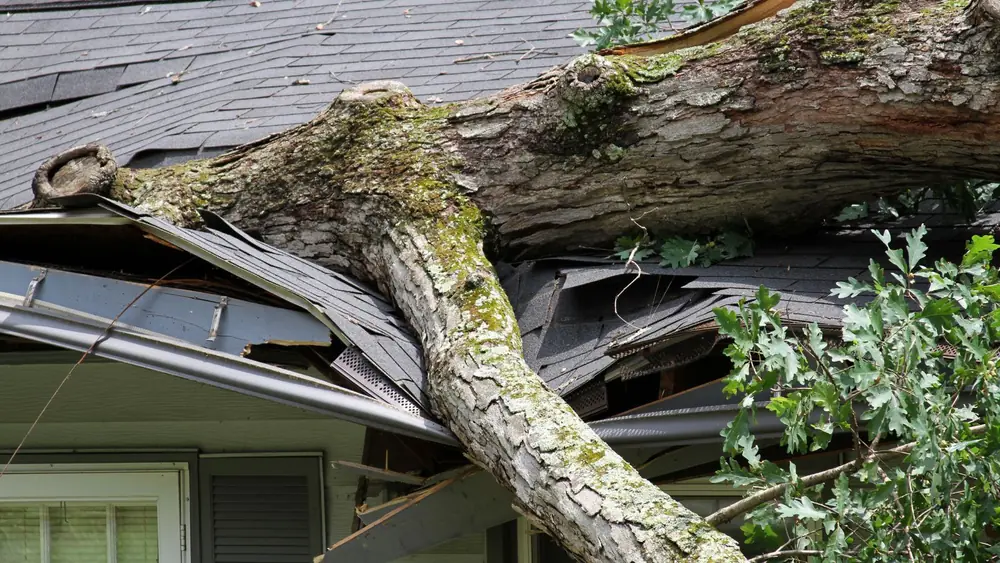
Where storm water gets into a house
Heavy rain is patient and finds every weakness. The most common entry points in a typical North Texas house are listed below, and many storms use several at once.
- Garage door thresholds and worn weatherstripping, where water slides under and spreads across the slab.
- Exterior doors with a low or dropped threshold, especially patio and back doors.
- Windows with failed seals or caulk, or a pane broken by wind or hail.
- Window wells and below-grade door wells that fill faster than they drain.
- Gutters and downspouts that overflow against the foundation, or discharge too close to the wall.
- Low spots in the yard where water ponds against the house instead of running away.
Talk to dispatch
Describe what you see and we will tell you what happens next, in plain words, before any work starts.
Why a North Texas storm can overwhelm a house
Rainfall in Dallas and Fort Worth totals 37.01 inches in a typical year by the National Weather Service 1991 to 2020 normals, and much of it arrives in short, heavy bursts. A downpour can exceed what gutters and yard slopes were built to carry, so water that is gone in an hour can still get inside in ten minutes. If your garage floods in every hard storm, tell the crew, because the entry point matters for the fix.
The Colony also borders Lewisville Lake, and the city reports roughly 23 miles of that shoreline within its limits. Low ground near the water drains differently from higher ground, so a storm that leaves one street dry can leave another with standing water. Ask which category your property is in before assuming the same rules apply.
Storm water or flood water: why the label matters
Insurers and the city treat these two events differently, and the label affects what happens next. Wind-driven rain that enters through a damaged opening is generally handled under a standard homeowners policy. Rising water that flows in from outside, from a lake, creek or overwhelmed drainage, is flood, which the Texas Department of Insurance says is not covered by most home and renters policies.
Most policies do not include flood coverage, and a few do. A separate flood policy is the usual route. Flood policies through the National Flood Insurance Program carry a 60 day filing window for claims. Call your insurer as soon as possible and describe exactly how the water entered, because the path of the water can change the answer.
Our flood damage restoration page covers rising water, contaminated floods and the heavier cleanup they need. This page is for the rain that came through the building envelope.
Storm safety in the first hour
Storms leave hazards that have nothing to do with water: downed lines, broken glass and slick floors. Make the house safe before you start moving things.
- Check for hazards outside before stepping out. Treat any downed line as live and stay far away.
- Keep people and pets out of any room with standing water, and watch for broken glass from windows.
- Cover openings from the inside if you can do it safely: plastic sheeting over a broken window, or a towel line at a leaking door.
- Photograph the entry points, the water line on walls and every damaged item before you move anything.
- Move electronics, papers and small furniture to dry ground, and lift rugs.
- Call the dispatch line and tell us how the water got in and how deep it is.
Electrical hazards after a storm
Stay out of any standing water that reaches an outlet, a power strip, an appliance or the breaker panel. A garage with a flooded floor often has an outlet or a freezer on the same circuit.
Cut power at the breaker box only from dry footing. Sparks, a gas smell or a flooded path to the box mean you should get out and phone 911 or the utility first. Water that entered from outside may also carry contamination, so treat it with caution.
When the water in your house is still rising
Water that is still entering, water across several rooms, and water that came up through a drain all deserve a same-day call. The longer it sits, the deeper it wicks into baseboards, cabinet bases and carpet pad.
If the drainage on your street seems to be the problem, the city's Storm Water Utility is the office that looks after street drainage, and its hotline is 972-624-3129. The city's Engineering department handles floodplain questions at 972-624-3195. Report blocked drains and ditches there, since they are the city's side of the problem.
How we clean up after a storm
Extraction comes first. Submersible pumps clear deep water, and truck-mounted or portable extraction units pull water from carpet, pad and flooring. Our emergency water removal page describes that stage in detail.
Then we measure. Moisture meters check walls, baseboards and subfloors, and a thermal imaging camera shows wet zones behind paint. Air movers and LGR dehumidifiers dry the rooms, and readings are repeated until each material reaches its dry standard.
Water that comes in from outside can carry dirt and debris, so affected materials are cleaned and treated with antimicrobials where needed. The published restoration reference is ANSI/IICRC S500, and a contractor should be willing to tell you if its crews follow it. Porous materials that were soaked by dirty water may need to be removed rather than dried.
Tarp, board up or dry first?
Order matters, because a wet house with an open window will keep getting wetter. Use this guide to decide what to handle first.
| Situation | First move | Then |
|---|---|---|
| Broken window, rain still blowing in | Board or cover the opening | Extract water and start drying |
| Roof opening above wet ceilings | Tarp the roof via a roofer | Dry ceilings, see roof leak page |
| Water under the garage door, house dry | Squeegee or pump, photograph | Check the wall base and the slab edge |
| Water in several rooms from outside | Stop entry, call for extraction | Assess flood coverage with your insurer |
| Water from a drain or sewer line | Stay out, keep pets away | Call the dispatch line right away |
For openings in the roof, see our roof leak water damage page.
What changes the cost
Storm cleanup scopes vary with the water and the rooms it reached. These are the factors that move the job.
| Factor | How it changes the job |
|---|---|
| Depth and area of the water | Deeper, wider water needs more pumping and more drying equipment |
| Source of the water | Water from outside needs cleaning that rain alone may not |
| Materials affected | Carpet and pad, hardwood, tile and drywall each have their own handling |
| Time between the storm and the call | Longer waits mean deeper absorption and more removal |
| Drying days and equipment | Dehumidifier and air mover counts follow the water volume and moisture readings, never the room size |
Getting a real figure starts with a phone call about where the water came from and how far it spread. You then hear the plan in plain words and how the price is set, before work begins.
Insurance after a storm
Many home policies cover sudden and accidental damage from storms, including rain that enters through a damaged opening. Flood is usually excluded unless you carry a separate policy, and gradual seepage is also commonly excluded. Check your policy and ask your insurer which side your loss falls on.
According to the Texas Department of Insurance, a claim can be denied when the owner lets the loss grow by not stopping it. Keep receipts for temporary repairs, photograph first, and keep damaged items for the adjuster. Never assume approval until it has been confirmed in writing.
How to document a storm loss
- Photograph the outside first: broken windows, the gutter, the threshold, ponded water and the wind damage.
- Shoot a short video of the interior, walking room to room, before moving anything.
- Write down the time the storm hit and when you first saw water.
- Keep wet items, small parts and damaged materials until the adjuster has seen them.
- Save every receipt for tarps, boards, towels and temporary equipment.
- Check where your address falls on the FEMA flood map, and ask the city if the zone is unclear.
Storm cleanup in nearby cities
Storms do not stop at city lines. We take storm calls across the area, including Lewisville and Little Elm, and the same steps apply on both sides of the lake.
Frequently asked questions
Does emergency storm cleanup run overnight and on weekends in The Colony?
Calls are answered at every hour. A 3 a.m. storm call gets the same handling as a noon call, and same-day response is offered when crews are available. While you wait, cover openings if it is safe, photograph the entry points and keep everyone out of water near outlets.
Is wind-driven rain covered the same as flood water?
Not usually. Rain that enters through a damaged roof, window or door is often covered as sudden and accidental damage, while rising water from outside is flood, which most home policies exclude. Ask your insurer how your policy treats the way the water came in.
Who do I call about drainage near my house?
The city's Storm Water Utility handles streets, alleys, sidewalks, storm water and drainageways, and it has a hotline. Floodplain questions go to the Engineering department. Report blocked drains and ditches there, and tell the crew about any recurring ponding so it can be recorded in your photos.
Should I board up the window or start drying first?
Close the opening first if it is safe, because rain will keep entering and re-wet what you dry. Cover the window from the inside with plastic if the outside is unsafe. Keep the receipt, then call us to extract the water and start drying.
My garage and the room next to it got wet. Does that count?
Yes, an attached room can wick water from the garage floor and from the shared wall. We check the base of the wall, the door frame and the flooring on the other side. A moisture meter finds water that does not show on the surface.
How do I document a storm loss for the insurer?
Photograph the outside entry points and every wet room before moving anything, save damaged items, and keep receipts for temporary repairs. Write down when the storm hit and when you found water. Report the loss promptly, since policy deadlines vary.